What level is your hair? Find it here.
Hairdressers give every hair color a number from 1 (black) to 10 (the lightest blonde). That number is the level. It only measures how light or dark the hair is; the letter or second number after it is the tone, and that is a separate question. The level decides almost everything about coloring the hair: what shows up when you lighten it, which toner cancels that, and whether it will cover gray. Some lines run the scale to 11 or 12 for their high-lift series, and the range is the same.
Match your hair to a photo
Look at the first inch at the root, dry and in daylight, find the closest one below and open it.
Dry hair, daylight
Wet hair reads darker and a warm bulb reads lighter. Take a dry section to a window, or photograph it and switch the picture to black and white so only the lightness is left to compare.
Look at the roots
The first inch at the scalp is your natural level. If the lengths have been colored or lifted they are a second number, and you need both before you pick a target.
Torn between two?
Some colorists say pick the darker one; others fan a piece out first, since hair packed together reads darker than it is. Or use the level chart tool.
What each level page tells you
- What it looks like on natural hair and as a colored result, and what a colorist reads at the root.
- What shows up when you lighten it (the orange or yellow stage) and which toner cancels it.
- How to reach it from your current color: 20 vol, 30 vol, high-lift or lightener, and how many rounds or visits.
- Gray coverage at this level, and the shade codes (7N, 7.1, 7.3) you will see on the tube, which shift a little by brand.
All ten levels
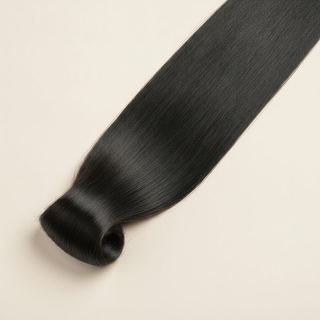 Level 1: Black Black, the darkest hair there is. Lighter: Bleach only. Permanent color cannot lighten black more than a step or two. Gray: Covers gray fully, but regrowth shows within two weeks. Open level 1
 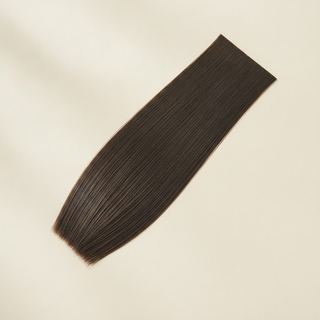 Level 2: Darkest brown So dark most people call it black indoors. Lighter: Bleach for anything blonde; 20 vol permanent for one or two steps. Gray: Covers gray fully; regrowth shows fast. Open level 2
 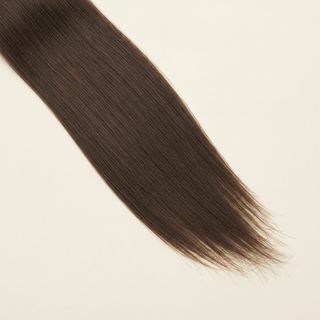 Level 3: Dark brown Dark brown, the brown that passes for black indoors. Lighter: 20 vol reaches a 5, 30 vol a 6; blonde needs lightener. Gray: Covers gray well with a natural (N) shade. Open level 3
 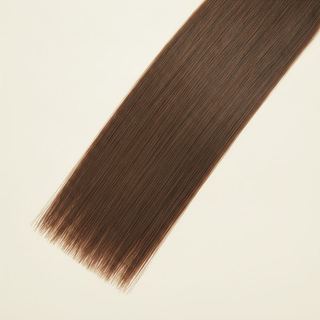 Level 4: Medium brown Medium brown, chestnut without much red. Lighter: 20 vol reaches a 6; a 7 needs 30 vol; blonde needs bleach. Gray: Covers gray well; the workhorse gray-coverage level. Open level 4
 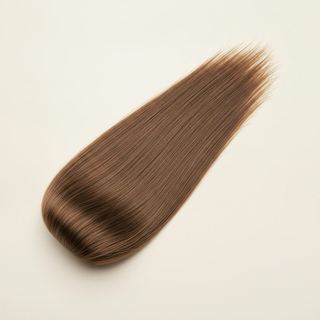 Level 5: Light brown Light brown on the chart, medium brown to most of the stylists who name it. Lighter: 20 vol reaches a 7; 8 and up needs high-lift or bleach. Gray: Covers gray well; goes orange when lightened. Open level 5
 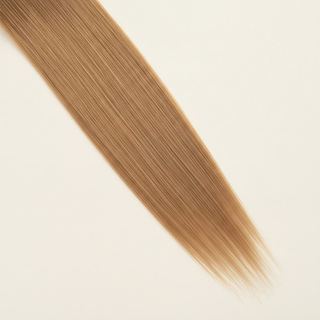 Level 6: Dark blonde Dark blonde, warm and sandy. Lighter: 20 vol reaches an 8; 9 and 10 need bleach. Gray: Covers gray well; 6N is the most used coverage shade. Open level 6
 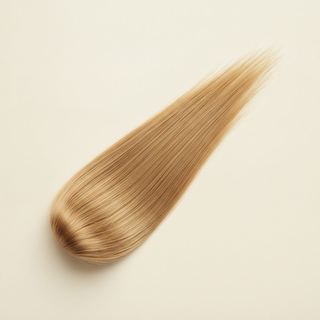 Level 7: Medium blonde Medium blonde, where lightened brown hair usually stalls. Lighter: 20 vol reaches a 9 on natural hair; 10 needs bleach. Gray: Covers gray, but reads a little sheer on white hair. Open level 7
 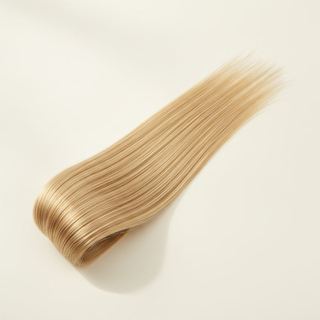 Level 8: Light blonde Light blonde, the first level where blonde toners really work. Lighter: Only 9 and 10 sit above it; both need bleach or high-lift. Gray: Poor gray coverage on its own; add a natural shade. Open level 8
 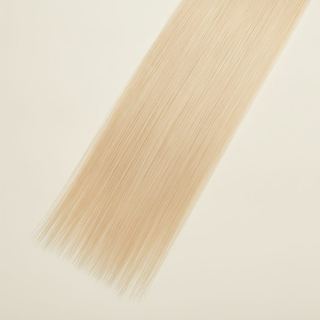 Level 9: Very light blonde Very light blonde, pale and cool once toned. Lighter: Only 10 sits above it, usually one more round of lightener. Gray: Barely covers gray; better to blend than cover. Open level 9
 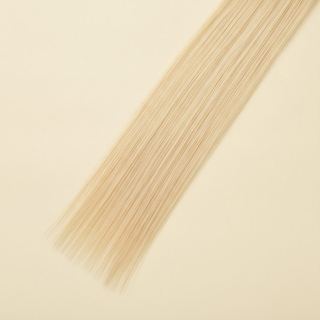 Level 10: Lightest blonde The lightest blonde hair can be before it stops being hair. Lighter: Top of the scale. The 11 and 12 some lines sell are translucent high-lift series, and the hair under them is still a 10. Gray: Does not cover gray; it blends into it. Open level 10