Two to five minutes just to get it wet
It shows first at the bowl. Some heads take two to five minutes of water before they are wet through, the water beading and running off while you wait, and the same head is still damp at bedtime after an air-dry. Others are soaked the second the water touches them and dry twenty minutes later. That difference, how fast water goes in and how fast it leaves, is porosity, and color behaves the way the water does.
The reason is the cuticle, the overlapping scales laid down a hair like shingles on a roof. Flat and tight, they let very little in or out. Lifted, chipped or missing, they let everything in and hold nothing.
The signs, in the order they are worth trusting
Water first. Mist a clean, dry section: droplets that sit for a minute or more mean low porosity, droplets that vanish mean high, and a bead that sits and then soaks in is normal. Then product: conditioner that sits on top and leaves the hair coated is a shut cuticle, and conditioner that disappears and leaves it thirsty is an open one.
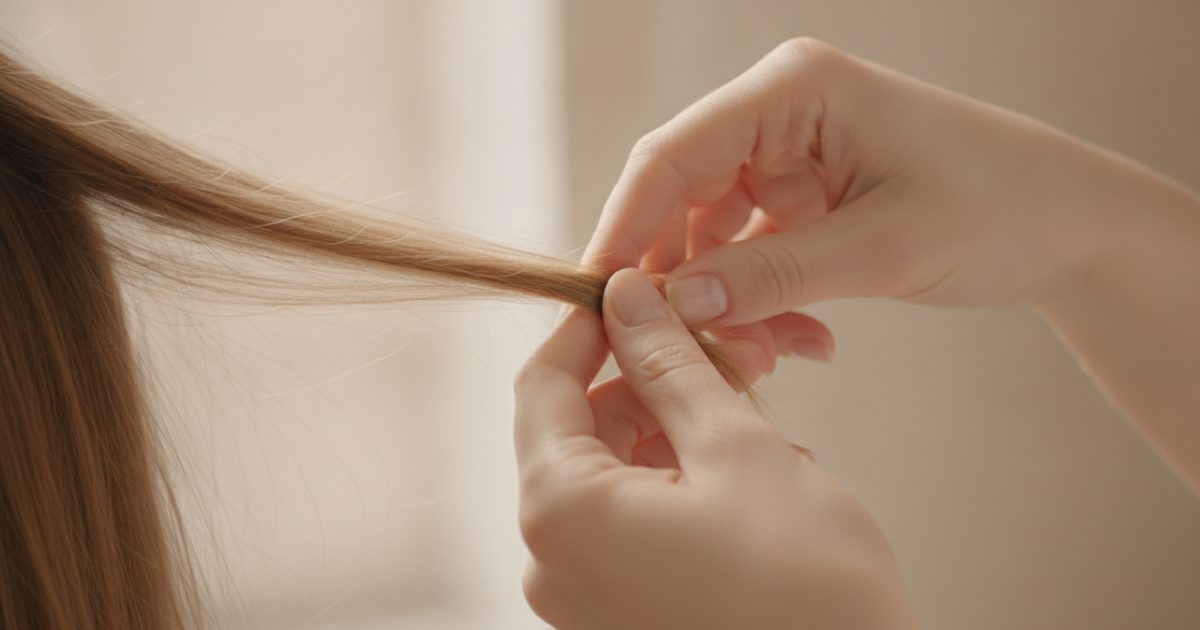
The finger slide comes after those. Take a clean, dry strand from near the crown, hold the end loosely, and slide two fingers up toward the scalp against the grain, slowly. Smooth and slippery is low. A faint texture like fine thread is normal. Rough, bumpy, catching on your finger is high. One strand can lie, and roughness is sometimes coarse texture or a knot rather than a lifted cuticle, so try three places and read it next to the water signs.
Dry on its own tells you nothing until you know whether the water is failing to get in or failing to stay.
Virgin hair is not automatically low porosity. It only means nothing has been done to open the cuticle, which is why this test leaves the two history questions out when you say the hair has never been colored. And clarify before any of it. Oil, silicone, dry shampoo and leave-in block water, so a head carrying a week of product reads as low porosity in every test there is, including the questions above.
The glass of water
The float test is the one everybody has heard of: drop a strand in a glass, low porosity floats and high sinks. Colorists split on it, and the doubters have the better argument. What decides it is surface tension and whatever coats the hair: sebum, conditioner or styling product keep a strand up regardless of the cuticle, and the water temperature changes the answer. A clarified strand pushed under with a fingertip sinks whether it is virgin or bleached. The ones who keep the test say clean hair, room-temperature water, wait five minutes, and never on its own. Unreliable by itself is the fair verdict: it measures the coating far more than the cuticle.
Low porosity
How it behaves
Smooth to the point of slippery, and it shines on its own because a tight cuticle lies like a mirror. Water beads and rolls off before the hair gives in, it takes hours to air-dry, and conditioner sits on top so you rinse and rinse and it still feels coated.
What it does to color
This is resistant hair, and it takes a long time to process anything. The dye has to get past a shut door, so color comes out a shade lighter and a touch cooler than the swatch, gray looks translucent at first, and everything takes its full time. Once the pigment is in it stays for weeks and fades slowly.
In the bowl
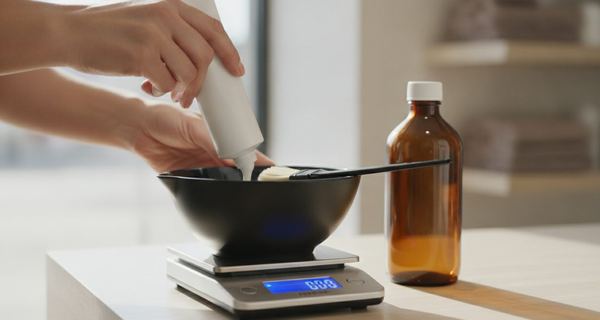
Process the full manufacturer time. Use 20 volume even for deposit on stubborn hair, since 10 volume struggles to lift the cuticle enough for pigment to settle. Hold some warmth in while it processes, a plastic cap under a warm towel at home or a hood in the salon, and for stubborn gray set gray type to Resistant in the gray coverage calculator: the NN version of the shade and the full 45 minutes, which is also the ceiling. Then go half a level warmer than instinct says, because this hair will not grab cool: a 7.1 often reads as a plain 7N, so lean natural or gold over ash.
Normal porosity
How it behaves
A faint texture, nothing you would call rough. Water soaks in after a few seconds, the hair dries in about an hour, products absorb and leave it soft.
What it does to color
This is the baseline. The swatch is roughly what you get and the fade is the one the brand tested on.
In the bowl
Nothing much changes. Ratio by weight, standard developer (10 for demi and toner, 20 for deposit and gray, 30 for lift), standard timing, and the processing time calculator is written for this hair. The one adjustment is the ends, always a touch more porous than the roots, so they go on a few minutes later.
High porosity
How it behaves
Rough and catching, sometimes squeaky. Wet the instant it meets water, dry before the towel is down. Products vanish into it and it still feels thirsty, it frizzes in any weather, and the ends split and snap. It is not automatically damaged hair, some people are born with it, but everything done to a head pushes it this way, and bleach fastest of all. That is what the last two questions read: frizz, breakage and heat say what has been done to the hair, not what its cuticle was born as.
What it does to color
The door is open, so it grabs color fast and grabs the dark, cool part of it hardest: a 7.1 can land as a muddy 6 with a green shadow. Nothing holds the pigment in, so it lets go just as fast, and two or three washes later the brass is back.
In the bowl
Everything comes down, the developer first.
- 10 volume for a demi or a demi toner; a T18 type liquid toner runs on the 20 vol its bottle names, and on porous hair it runs shorter, a demi toner 5 to 15 minutes instead of 10 to 20. Toner selector
- Half a level to a full level lighter and warmer than the target.
- Same total time, first look 5 minutes earlier, ends last.
- A protein filler or equalizing spray first, so pigment lands evenly. Protein fills the gaps where cuticle is missing, and this hair takes it well.
- Mix about 10 percent more for porous, lightened lengths. Hair dye amount calculator
- Ends last, and expect a faster fade whatever you do.
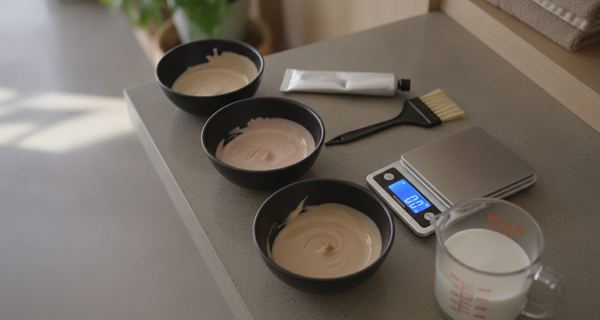
All three on one table
| Porosity | Developer | Processing | Formula shift |
|---|---|---|---|
| Low | 20 vol even for deposit, 30 vol for lift | Full time, and no minutes past it. A cap holds warmth and moisture; it changes no number | Half a level warmer, natural or gold over ash |
| Normal | 10 vol demi and demi toner, 20 vol for a T18 type liquid toner, 20 vol deposit and gray, 30 vol lift | Manufacturer time | None, ends a few minutes after roots |
| High | 10 vol or demi wherever possible | Same total time, first look 5 minutes earlier, ends last | Half to one level lighter and warmer, filler first |
It changes, so check again
Porosity is the state of the cuticle on the day you touch it. Chemicals, bleach and heat raise it, almost always toward the high side regardless of where the hair started, and a few stylists add hormones, pregnancy and medication to the list. A full bleach, a relaxer, a keratin smoothing, a summer of salt water: each one moves the answers above. So the head that was normal two summers ago may now be three porosities at once, low at the scalp and high through the ends. Check again before any color you care about, and always after the big services, on clean hair with nothing on it.